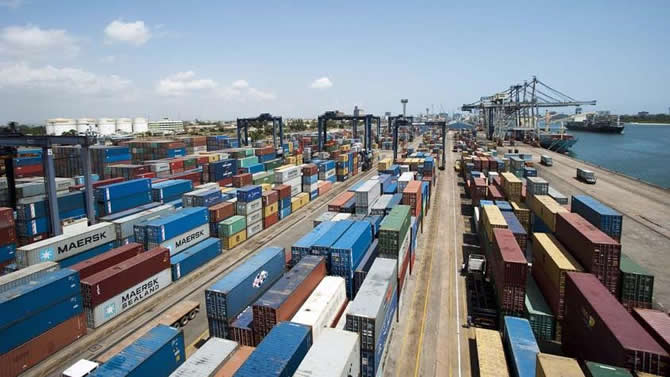
Le décor est planté par une décision controversée du conseil d’administration du PAD. Celle-ci retire au géant suisse de l’inspection, Société Générale de Surveillance (SGS), le marché du scanning dans la zone portuaire de Bonaberi. Le contrat est attribué à l’entreprise Transatlantic D, dans le cadre d’une concession plus large visant la centralisation des données et l’alignement sur les normes internationales de sûreté. Date d’effet : le 1er janvier 2026.
Cependant, la transition s’opère dans une confusion totale. Selon des révélations de la presse économique camerounaise, une situation aberrante persiste sur le terrain. D’un côté, SGS continuerait à facturer ses prestations sans effectuer le scanning. De l’autre, Transatlantic D aurait débuté les opérations de contrôle… sans émettre de factures. Un « scanneur fantôme » d’un côté, un service non facturé de l’autre : l’État camerounais et les opérateurs économiques seraient-ils les grands perdants de cette pagaille ?
Le Ministre des Finances, Louis Paul Motaze, est monté au créneau pour désapprouver fermement la décision du PAD et exiger le maintien du statu quo. Un veto qui semble être resté lettre morte. L’autorité de régulation concernée aurait en effet ignoré l’injonction ministérielle, apportant son soutien à la direction du Port Autonome de Douala.
Ce bras de fer met en lumière les profonds dysfonctionnements qui minent la gouvernance des infrastructures stratégiques. Alors que le Cameroun ambitionne de devenir un hub logistique de référence, cette affaire pose de graves questions : qui gouverne réellement le port ? Où passe l’argent des redevances ? Et, surtout, à quand une clarification qui serve enfin l’intérêt économique national et la transparence ?
Entre résistance au changement, conflits d’intérêts et opacité des processus, le scandale du scanning à Douala est bien plus qu’une simple querelle administrative. C’est le symptôme d’une bataille pour le contrôle des flux et des finances dans un secteur vital pour l’économie camerounaise.
Douala Port in Turmoil: SGS Charges Without Scanning, New Firm Scans Without Invoicing?
A major scandal is rocking the management of Cameroon's largest and most strategic economic gateway, the Port of Douala (PAD). The issue of container scanning, a critical process for security and revenue, has descended into chaos, exposing troubling practices and a bitter power struggle between the Ministry of Finance and the port's authority.
The controversy stems from a contentious decision by the PAD's board of directors. It strips the Swiss inspection giant, Société Générale de Surveillance (SGS), of its scanning contract for the Bonaberi port area. The deal is awarded to the firm Transatlantic D, as part of a larger concession aimed at data centralization and alignment with international security standards. Effective date: January 1, 2026.
However, the transition has been mired in total confusion. According to revelations from the Cameroonian economic press, an absurd situation persists on the ground. On one hand, SGS is allegedly continuing to invoice for services it no longer performs. On the other, Transatlantic D is reported to have begun scanning operations… without issuing any invoices. A "phantom scanner" on one side, an unfunded service on the other: are the Cameroonian state and economic operators the big losers in this mess?
Finance Minister Louis Paul Motaze has stepped in, strongly disapproving of the PAD's decision and demanding a return to the status quo. A veto that appears to have fallen on deaf ears. The relevant regulatory authority is said to have ignored the ministerial injunction, throwing its support behind the Port of Douala's management.
This tug-of-war highlights the deep-seated dysfunction plaguing the governance of strategic infrastructure. As Cameroon aspires to become a leading logistics hub, this affair raises serious questions: Who truly governs the port? Where is the revenue from scanning fees going? And, crucially, when will a resolution emerge that finally serves the national economic interest and transparency?
Between resistance to change, conflicts of interest, and opaque processes, the Douala scanning scandal is more than an administrative squabble. It is a symptom of a battle for control over the flows and finances of a sector vital to Cameroon's economy.
Port Autonome de Douala, PAD, scanning portuaire, SGS Cameroun, Transatlantic D, scandale portuaire, contrôle des conteneurs, Douala, économie Cameroun, Louis Paul Motaze, Ministère des Finances Cameroun, concession portuaire, Bonaberi, sûreté maritime, opacité portuaire, conflit d'autorité, redevances portuaires, hub logistique Cameroun, CEMAC, inspection des marchandises.
Christ Ndiffong (Stagiaire)